

Blog
How to make perfume: EAU DE PARFUM

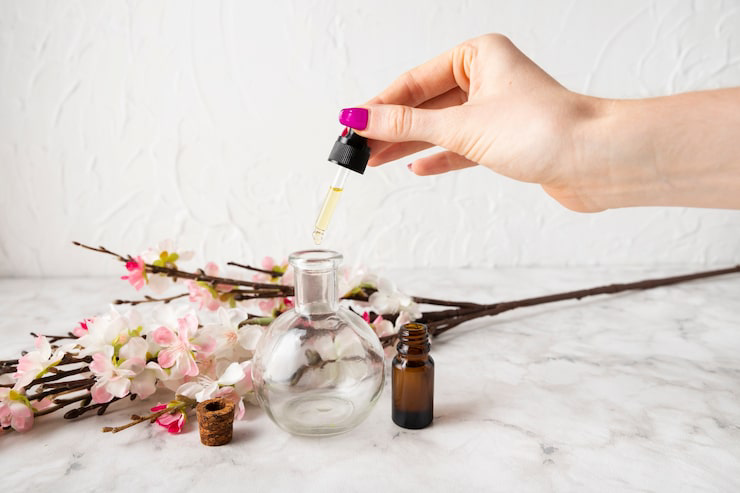
Perfume-making is an art – a beautiful blend of science, creativity, and personal expression. Among all fragrance types, Eau de Parfum (EDP) is one of the most popular because of its rich aroma and long-lasting effect. Unlike body sprays or Eau de Toilette, Eau de Parfum contains a higher concentration of fragrance oils, allowing it to linger for hours with just a few sprays.
If you’ve ever wanted to create your own perfume, this guide will walk you through how to make Eau de Parfum step by step — right from choosing ingredients to bottling your final fragrance.
What Is Eau de Parfum (EDP)?
Eau de Parfum is a medium-to-strong concentration fragrance, typically containing 15% to 20% aromatic essential oils mixed with alcohol and a small amount of water.
- Longevity: 6–8 hours
- Strength: Balanced — not too strong, not too light
- Best for: Daily wear, evening outings, and special occasions
Ingredients You’ll Need
To make a high-quality Eau de Parfum, you’ll need the following ingredients:
- Essential Oils (for scent)
- Top Notes: Citrus (lemon, bergamot, orange), mint, lavender
- Middle Notes: Rose, jasmine, ylang-ylang, cinnamon, neroli
- Base Notes: Vanilla, sandalwood, cedarwood, musk, amber
- Perfumer’s Alcohol or Ethanol (80–90%)
- Acts as a solvent and helps fragrance spread evenly.
- Distilled Water
- Used to dilute the perfume slightly for smoother application.
- Fixatives (Optional)
- Helps the scent last longer. Examples: glycerin, benzoin, orris root.
- Glass Bottles or Perfume Atomizers
- Always use dark glass bottles to protect your perfume from sunlight.
Step-by-Step Guide to Making Eau de Parfum
Step 1: Choose Your Fragrance Notes
Perfumes are built on three layers:
- Top Notes: The first scent you smell (light and refreshing).
- Middle Notes (Heart): The core of the fragrance.
- Base Notes: The lasting scent that remains after dry-down.
Example blend:
- Top:Lemon (20%)
- Middle:Jasmine (30%)
- Base:Sandalwood andVanilla (50%)
Step 2: Blend the Essential Oils
Start by adding the base notes first (they’re heavier), followed by the middle notes, and finally the top notes.
Use a small glass dropper to add:
- 15 drops base note
- 10 drops middle note
- 5 drops top note
Gently swirl the mixture and let it sit for a few hours so the scents can merge harmoniously.
Step 3: Add Alcohol
Pour 2 tablespoons of perfumer’s alcohol (or ethanol) into the oil mixture.
This will help dissolve the oils and enhance the fragrance diffusion.
Seal the bottle tightly and let the blend age for at least 48 hours — ideally 2 to 4 weeks for deeper, mature notes.
Step 4: Add Distilled Water
After aging, add 2 tablespoons of distilled water to dilute the perfume slightly.
Shake well until everything blends evenly.
Step 5: Filter and Bottle Your Perfume
Use a coffee filter or cheesecloth to remove any residue or particles.
Transfer the clear liquid into a dark glass spray bottle for long-term storage.
Store your Eau de Parfum in a cool, dry place away from direct sunlight.
Tips for Creating the Perfect Eau de Parfum
- Experiment with different ratios until you find your ideal scent.
- Keep a fragrance journal to note the oil combinations and quantities used.
- Let your perfume rest for at least 2 weeks before first use — this improves scent stability.
- Avoid plastic containers; they can alter the fragrance quality over time.
Conclusion
Making your own Eau de Parfum is a creative and rewarding experience. With just a few ingredients and some patience, you can craft a personalized fragrance that reflects your style and personality. Whether you prefer floral, woody, citrusy, or oriental notes, the possibilities are endless.
