

Blog
The Power of Patchouli: From Hippie Culture to Luxury Scents

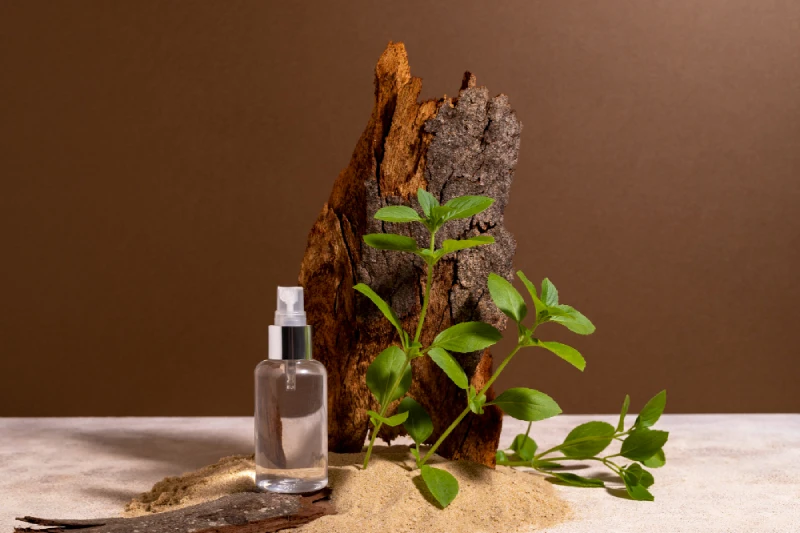
Patchouli—just the name evokes a sensory overload. Earthy, musky, grounding. For some, it conjures up memories of incense-filled rooms and countercultural revolution. For others, it is the base note of elegance found in high-end perfumes from Paris to Tokyo. From its mystical beginnings to its place in luxury scent portfolios, patchouli has traveled a path as intricate and intoxicating as the oil itself.
Patchouli Perfume History
The Ancient Roots of Patchouli in Asia
Patchouli’s origins trace back thousands of years to Southeast Asia. Countries like Indonesia, the Philippines, and India were early cultivators of this fragrant herb, prized not only for its scent but also for its medicinal and insect-repelling qualities. It was often used in Ayurvedic medicine to treat skin conditions, inflammation, and even to lift the mood.
In ancient times, Indian silk traders layered their precious fabrics with dried patchouli leaves to protect them from moths during transport. Ironically, this practice made the scent a symbol of authenticity and value among foreign buyers.
Patchouli in Traditional Medicine and Rituals
Beyond commerce, patchouli had a sacred presence. In some Buddhist and Hindu ceremonies, patchouli oil was burned to cleanse energy and induce spiritual reflection. Its rich scent was thought to purify both the space and the mind, grounding those in meditation or ritual.
Today, many holistic practitioners still revere patchouli as a root chakra activator, grounding the spirit in times of emotional turbulence.
Patchouli in Trade and Colonial Influence
How Patchouli Became a Marker of Authenticity in Fabrics
In 19th-century Europe, imported Indian cashmere and pashmina shawls were the ultimate status symbol. These luxurious textiles always arrived infused with the unmistakable scent of patchouli—a sign that they were the real deal. When counterfeiters tried to replicate the look, they missed a vital ingredient: the scent.
Savvy consumers began associating patchouli’s aroma with luxury, leading to its adoption in perfumes.
European Fascination with Eastern Spices and Scents
The colonial era ushered in a wave of fascination with the exotic. Europeans became obsessed with spices, incense, and oils from the East. Patchouli, with its unique ability to mask body odors and act as a fixative, soon found itself in early European apothecaries andperfume houses.
Patchouli in Hippie Counterculture
The Summer of Love and Patchouli’s Rise in the 1960s
Fast-forward to the 1960s. Patchouli was rediscovered—this time by American and European hippie communities. In an era defined by protest, peace, and psychedelic exploration, patchouli became the olfactory badge of rebellion.
Unlike the floral, powdery perfumes favored by mainstream society, patchouli was raw, untamed, and undeniably different.
Symbolism of Patchouli in Free Love and Rebellion
The hippie movement was all about rejecting corporate, sanitized living. Patchouli oil, often sold at music festivals and in underground shops, was affordable, plant-based, and anti-establishment. It became synonymous with free love, communal living, and the fight against war and oppression.
Why Patchouli Smelled Like Protest
Wearing patchouli was more than a style statement—it was a political and spiritual act. Its scent lingered in the air at anti-war rallies, spiritual retreats, and around campfires under the stars. To wear patchouli was to declare independence from social norms.
Scent Profile of Patchouli
Understanding the Aroma: Earthy, Woody, and Musk-like
Patchouli has a uniquely earthbound fragrance—dark, mossy, and slightly sweet. It doesn’t float; it clings. This density gives it a base note status in perfumery, grounding lighter florals or balancing bright citruses.
The Chemical Composition Behind the Distinct Scent
The key aromatic molecules in patchouli—patchoulol, norpatchoulenol, and other sesquiterpenes—are responsible for its signature scent. These compounds are resilient, lingering on the skin and in fabrics for hours, if not days.
How Patchouli Reacts Differently on the Skin
Interestingly, patchouli’s scent can transform based on the wearer’s body chemistry. On warm skin, it often becomes more sensual and spicy. On cooler skin, it stays more herbal and woody.
Patchouli’s Reputation: From Love to Loathe
Why Some People Despise the Smell of Patchouli
Patchouli is polarizing. To some, it smells like freedom and forests. To others, like unwashed bohemians. Much of this stigma stems from the unrefined patchouli oils that were common in the 60s and 70s—cheap, crude, and sometimes rancid from poor storage.
Nostalgia, Identity, and Scent Memory
Because scent is closely tied to memory, those who lived through patchouli’s hippie heyday often have visceral reactions—positive or negative. For some, a whiff transports them to a concert in Golden Gate Park; for others, it smells like a hangover from a past life.
Patchouli in Modern Luxury Perfumery
From Woodstock to Chanel: A Fragrance Evolution
In the 1990s and 2000s, luxury perfumers began rehabilitating patchouli’s image. Brands like Chanel, Dior, and Tom Ford reinvented the scent, using aged patchouli oil blended with amber, vanilla, and oud to create complex, luxurious fragrances.
How High-End Brands Reimagined Patchouli
Today’s patchouli perfumes are a far cry from the old headshop oils. They’re refined, elegant, and often layered with other rare ingredients like iris butter, rose absolute, and white musk.
The Sophistication of Aged Patchouli Oil
When properly aged, patchouli oil loses its “dirty” top notes and develops a deep, balsamic richness. The best perfumers age patchouli for up to two years before using it, creating a rounded, smooth scent with serious staying power.
FAQs
1. Is patchouli a masculine or feminine scent?
Patchouli is considered a unisex note, though its applications vary. In masculine scents, it adds depth and mystery; in feminine perfumes, it offers warmth and balance.
2. Why does patchouli smell different on everyone?
A. Patchouli reacts to skin pH, temperature, and even diet. That’s what makes it such a personal, evolving fragrance.
3. Can patchouli be worn year-round?
A. Absolutely. Heavier patchouli blends suit fall and winter, while lighter patchouli-citrus combos are perfect for spring and summer.
4. Is patchouli still popular in perfumery today?
A. Very much so. It’s featured in many modern classics like Chanel Coromandel, Tom Ford White Patchouli, and Dior Patchouli Impérial.
5. Can I make my own patchouli perfume at home?
A. Yes! Blend patchouli with lavender, bergamot, or sandalwood in a carrier oil like jojoba for a simple DIY blend.
6. Where can I buy quality patchouli oil?
A. Look for organic, aged patchouli oil from reputable aromatherapy suppliers like Plant Therapy, Eden’s Garden, or Mountain Rose Herbs.
