

Blog
How to Choose the Right Perfume

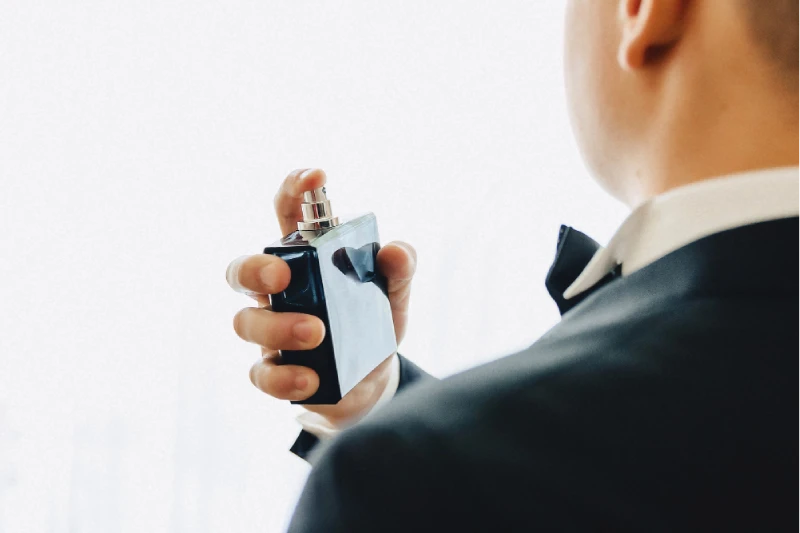
Choosing the right perfume is a deeply personal journey one that evokes memory, emotion, and identity. A perfume isn’t just a fragrance; it’s a silent statement, a whisper of your personality that lingers even after you leave the room. But with thousands of fragrances on the market, how do you find the one that suits you best?
Perfume, like fashion, is an extension of who you are. It communicates before you speak and remains after you’ve gone. Whether you’re buying a fragrance for the first time or looking to expand your collection, understanding what makes a perfume perfect for you is key. Let’s dive into a detailed guide on selecting a scent that harmonizes with your essence.
Understanding Fragrance Notes
Perfumes are not just made of one scent; they’re structured like a musical composition. The top, middle, and base notes are the building blocks that create the fragrance’s life span on your skin.
- Top notes: These are the first scents you smell. Often fresh, citrusy, or fruity like bergamot, lemon, or lavender.
- Heart (middle) notes: These form the core of the perfume. You’ll detect them once the top notes fade think rose, jasmine, or cinnamon.
- Base notes: They appear last but linger longest. These are typically rich and deep vanilla, musk, amber, sandalwood.
A balanced fragrance will move through all these stages harmoniously. Pay close attention to how a perfume evolves after 10–30 minutes it reveals the heart of its character.
Types of Fragrance Families
Fragrance families are categories that classify perfumes based on their dominant scent characteristics:
- Floral: Think rose, jasmine, lily. Great for romantics and spring/summer days.
- Woody: Cedar, sandalwood, and patchouli dominate here often found in unisex or masculine fragrances.
- Oriental: Rich, exotic blends with spices, incense, and resins. These are perfect for evening wear.
- Fresh: Clean and energizing with citrus, green, or aquatic notes. Ideal for daily wear or sporty vibes.
Knowing your preferred family helps you navigate the perfume aisle with more confidence.
Body Chemistry and Scent
No two people smell a perfume the same way. Your skin’s natural oils, pH, and even diet can alter how a fragrance develops. That’s why a perfume that smells divine on a friend might feel off on you.
Always try the scent on your wrist and wear it for a few hours. Let your body chemistry work its magic before making a final decision.
Testing Perfumes Properly
When you test fragrances:
- Spray it on your skin, not a paper strip.
- Don’t test more than 3–4 perfumes at once your nose gets fatigued.
- Give it 15–30 minutes to settle before judging.
- Step out of the store fresh air helps reset your sense of smell.
Pro tip: Keep a travel atomizer or sample bottle to wear the scent for a full day.
Day vs Night Perfumes
Just as you dress differently for morning meetings and dinner dates, your perfume should also adapt. Daytime perfumes are typically lighter citrus, florals, and airy notes rule. Think of Chanel Chance Eau Tendre or Dolce & Gabbana Light Blue. They’re refreshing and subtle.
Evening perfumes, on the other hand, are sensual and bold. Look for amber, vanilla, oud, or musk. Tom Ford’s Black Orchid and Yves Saint Laurent’s Libre Intense are good examples. They’re made to captivate and leave an impression.
Seasonal Scents
Mother Nature influences your scent too. In spring and summer, your body heats up more, so light scents amplify. Opt for green, floral, or fruity notes. In autumn and winter, heavier notes work better spicy, woody, and gourmand scents shine.
Matching your perfume with the season makes it feel more in tune with your environment and mood.Perfume for Different Occasions
Choosing the rightperfume is also about matching the moment:
- Work: Keep it professional soft florals or clean fresh notes (e.g., Marc Jacobs Daisy)
- Date night: A hint of seduction spicy and oriental (e.g., Dior Hypnotic Poison)
- Gym: Subtle and refreshing light citrus (e.g., CK One)
- Formal events: Go elegant classic blends with long sillage (e.g., Chanel No. 5)
Let your perfume match your intent.
Perfume Concentrations Explained
You’ll often see terms like Eau de Parfum (EDP) or Eau de Toilette (EDT). What’s the difference?
| Concentration | Oil Percentage | Longevity |
| Parfum | 20–30% | 8–12 hours |
| Eau de Parfum | 15–20% | 6–8 hours |
| Eau de Toilette | 5–15% | 4–6 hours |
| Eau de Cologne | 2–5% | 2–4 hours |
| Eau Fraiche | <3% | 1–2 hours |
Signature Scent: Do You Need One?
The idea of a signature scent is appealing it’s part of your identity. But in reality, people evolve. So can your perfume. While some love the idea of being remembered by one scent, others enjoy switching depending on mood or season.
How to Choose Perfume as a Gift
Gifting perfume can be magical or risky. Here’s how to make it work:
- Observe their current fragrances.
- Think about their style elegant, edgy, romantic?
- Stick with universally loved notes like vanilla or citrus.
- Consider gift sets with miniatures if you’re unsure.
Personalization adds thoughtfulness engraving or including a handwritten note makes it special.
Age and Perfume Preferences
Age can influence perfume tastes:
- Teens & early 20s: Light, fruity, playful (e.g., Ariana Grande Cloud)
- 30s–40s: Sophisticated, deeper notes (e.g., Gucci Bloom or Le Labo Santal 33)
- 50s and up: Timeless classics or bold niche scents (e.g., Shalimar, Creed Aventus)
But hey age is just a number. Wear what makes you feel confident.
Cultural Influences on Fragrance
Fragrance preferences vary around the globe:
- Middle East: Rich oud, incense, and amber dominate.
- Europe: Floral and green fragrances are loved.
- Asia: Delicate, tea-inspired, and fresh scents rule.
- America: Fruity and sweet gourmands are trending.
Understanding this can help you navigate international perfume brands more easily.
Gender-Neutral Fragrances
The rise of unisex perfumes is liberating. Brands like Byredo, Maison Margiela, and Tom Ford have crafted scents that defy gender norms. They focus on mood, identity, and expression so feel free to explore outside the “for him” or “for her” labels.
Luxury vs Budget Perfumes
Is expensive always better? Not necessarily. Luxury perfumes often have higher-quality ingredients and complex compositions. But budget-friendly options like Zara, The Body Shop, or even celebrity scents can be surprisingly delightful.
It’s all about how it wears on your skin.
Reading Perfume Descriptions
When a perfume says “opulent and mysterious with woody gourmand trail,” what does it even mean? Learn to decode:
- Opulent = rich and luxurious
- Gourmand = sweet, edible-like notes (vanilla, caramel)
- Trail/Sillage = how far your scent travels
Knowing this helps you shop smarter, especially online.
Building a Fragrance Wardrobe
Why stop at one? Create a fragrance wardrobe just like you do with clothes:
- Fresh citrus: Work & summer
- Floral: Spring & romantic events
- Woody/spicy: Winter or formal wear
- Sweet gourmands: Cozy moments or evenings
This lets you express every facet of your personality.
Perfume Shopping Tips
- Don’t shop when tired or after eating spicy food
- Avoid perfumed environments they distort your sense
- Shop in the morning when your nose is freshest
- Always test on skin, not just on strips
And take your time. Good perfume decisions are never rushed.
Online vs In-store Buying
In-store: You can test, get help from sales reps, and feel the experience.
Online: Convenient, better deals, and access to niche brands. Just be sure to read customer reviews and note breakdowns.
Pro tip: Buy samples or decants before going full size.
Perfume Storage Tips
Heat, light, and humidity are enemies of perfume. Store it:
- In a cool, dark place
- Away from direct sunlight
- Keep bottles tightly closed
Avoid the bathroom it’s too humid. Store them like you store wine: cool and stable.
Signs You’ve Found the Right Perfume
You’ll know when you’ve found the one if:
- You can’t stop smelling your wrist
- You feel instantly confident
- People compliment you
- It feels like you
Sometimes, your nose just knows.
When to Change Your Perfume
If your current scent:
- No longer excites you
- Feels too strong or too weak
- Doesn’t last anymore
…it might be time for a change. Your preferences evolve and your fragrance should too.
Matching Perfume to Personality
Let’s pair scents with personality:
- Romantic: Rose, peony, vanilla (Try: Chloe Eau de Parfum)
- Adventurous: Spicy, woody, incense (Try: Jo Malone Oud & Bergamot)
- Minimalist: Clean, fresh, aquatic (Try: Clean Reserve Skin)
- Bold & Confident: Leather, amber, patchouli (Try: Yves Saint Laurent Libre)
Fragrance is a form of self-expression let it tell your story.
The Psychology of Scent
Scents trigger memories and emotions. That’s why the smell of cookies can take you back to childhood. Choose perfumes that make you feel something energized, calm, sensual, or nostalgic.
Perfume and Skin Sensitivity
If you have sensitive skin, opt for:
- Alcohol-free formulas
- Natural perfumes
- Patch test before full use
Brands like Henry Rose, Skylar, and Lavanila offer gentle yet beautiful options.
How to Layer Scents Like a Pro
Layering is a trend, and it’s powerful:
- Start with a neutral base like musk or vanilla
- Add a dominant scent on top
- Avoid mixing two strong scents
Experiment! You might create something uniquely yours. m
Celebrity Perfume Trends
Celebrities have inspired perfume trends from Rihanna’s famously loved scent (Love Don’t Be Shy by Kilian) to Billie Eilish’s signature vanilla-based fragrance. Watching their choices gives clues to what’s hot in the fragrance world.
Perfume Myths Busted
- Rub wrists together: Nope, that crushes the top notes.
- Expensive = better: Not always true.
- Perfume lasts all day: Only Parfum might. The rest fade.
- One spray is enough: Depends on scent strength and occasion.
FAQs
1. What is the best way to apply perfume?
A. Spray on pulse points wrists, neck, behind ears. Don’t rub it in. A light mist on hair or clothes can add longevity.
2. How many perfumes should I own?
A. There’s no rule. One signature scent may work for some; others may prefer 4–6 for different moods and seasons.
3. Why does perfume smell different on everyone?
A. Body chemistry, diet, skin type, and pH all influence how a scent develops on your skin.
4. Can perfumes expire?
A. Yes! Most last 3–5 years. If it smells sour or looks cloudy, it’s time to toss.
5. How do I make perfume last longer?
A. Moisturize your skin before applying, layer with a matching lotion, and spray directly on pulse points.
6. Are natural perfumes better?
A. Not necessarily. They’re often gentler, but can have less staying power. Choose based on preference and skin type.
