

Blog
The Art Of Crafting Resinous Scents – A Perfumer’s Guide

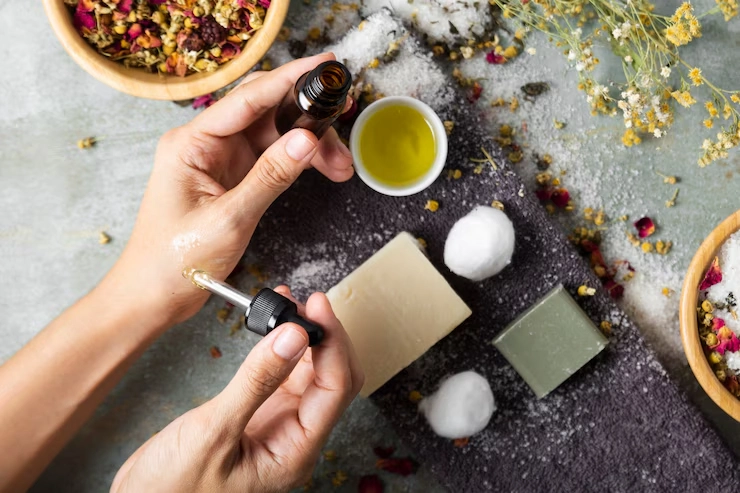

The Art of Crafting Resinous Scents
The Art of Crafting Resinous Scents – Resinous scents hold a special place in the world of perfumery. Rich, warm, and deeply evocative, they transport the wearer to ancient temples, dense forests, and exotic marketplaces filled with incense and mystery. Whether you’re a seasoned perfumer or an enthusiastic beginner, understanding the art of crafting resinous fragrances can unlock a world of olfactory depth and complexity.
In this guide, we’ll explore the origins of resinous materials, how to blend them harmoniously, and tips for creating a signature scent that lingers like a whispered memory.
What Are Resinous Scents?
Resins are natural secretions from trees and plants, often harvested for their aromatic and protective properties. When used in perfumery, they create rich, long-lasting base notes that anchor a fragrance. These scents are often described as warm, balsamic, smoky, and sometimes even medicinal or sweet.
Popular Resinous Ingredients in Perfumery:
- Frankincense – Woody, citrusy, and slightly spicy, used in spiritual and meditative blends.
- Myrrh – Earthy, warm, and slightly bitter with a honeyed undertone.
- Benzoin – Sweet, vanilla-like, and powdery, often used to soften harsher notes.
- Labdanum – A deep, leathery, ambery resin with an animalic richness.
- Opoponax – Sweet, balsamic, and slightly musky, often likened to a softer myrrh.
- Elemi – Fresh, lemony, and peppery with a slight incense-like quality.
Each resin brings its own unique character, and blending them thoughtfully can create fragrances that are complex, luxurious, and timeless.
The Art of Blending Resinous Notes
Crafting a well-balanced resinous fragrance requires a keen understanding of complementary ingredients and structure. Here’s how you can approach the blending process:
1. Choosing a Theme
Before diving into mixing, determine the mood you want to evoke. Are you creating a warm, cozy winter scent? A dark, mysterious incense blend? A bright, meditative fragrance? Your theme will guide your choice of resins and supporting notes.
2. Balancing the Composition
Resinous materials are usually used as base notes, meaning they provide depth and longevity. However, to make the scent more dynamic, consider layering them with top and middle notes:
- Top Notes (Light & Fresh): Citrus (bergamot, lemon), spices (pink pepper, cardamom), or aromatic herbs (lavender, sage) can add brightness and prevent heaviness.
- Heart Notes (Harmonizers): Floral (jasmine, rose), woody (cedarwood, sandalwood), or spicy (cinnamon, clove) middle notes create a bridge between fresh top notes and deep resins.
- Base Notes (Long-Lasting Depth): Resins pair beautifully with oud, patchouli, vanilla, and musk to enhance richness and longevity.
3. Experimenting with Ratios
Resinous notes can easily overpower a blend. Start with small amounts and adjust based on the strength of the materials. A good starting ratio:
- 60% Base (Resins, Woods, Musks)
- 30% Heart (Floral, Spicy, Woody Notes)
- 10% Top (Citrus, Herbal, Light Spices)
Adjust these proportions based on how heavy or light you want the final scent to be.
Techniques for Working with Resins
Because resins are often sticky, thick, or solid, they require special handling:
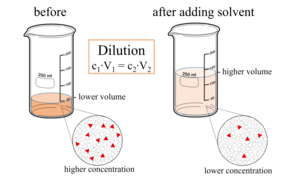
1. Dilution for Easier Blending
Resins can be infused into carrier oils (like jojoba or fractionated coconut oil) or diluted in alcohol to make them easier to blend. Tincturing in high-proof alcohol over several weeks extracts their aroma beautifully.

2. Using Resinoids and Absolutes
Many resins are available as resinoids or absolutes, which are concentrated extractions that are easier to work with in perfumery. These provide a cleaner way to incorporate resins without the challenges of raw material processing.

3. Heat Activation
Gently warming resins before mixing can enhance their diffusion in blends. However, excessive heat can alter their scent profile, so use a controlled approach.
Creating Your Signature Resinous Perfume
Once you have your resinous ingredients and blending techniques in place, it’s time to create a signature scent! Here’s a step-by-step guide to developing a personal formula:
Step 1: Select Your Key Resin(s)
Choose one or two dominant resins (e.g., benzoin and frankincense) to be the foundation.
Step 2: Add Complementary Notes
Introduce heart and top notes that enhance the resins’ characteristics—florals for softness, spices for warmth, or citruses for contrast.
Step 3: Test & Adjust
Blend small amounts and let the mixture sit for a few days. Perfume evolves over time, so patience is key in achieving the perfect balance.
Step 4: Fixatives for Longevity
To make the scent last, incorporate fixatives like ambrette seed, tonka bean, or sandalwood. These help slow down the evaporation of more volatile top notes.
Sponsoring Aurom Urban Oud Parfum
Complete your fragrance collection with AuromUrban Oud Parfum, a luxurious blend of deep, smoky oud and refined woody accords. Designed for those who appreciate sophistication, this long-lasting scent leaves an unforgettable impression. Elevate your signature style with Aurom today.
Discover more:Visit Aurom
