

Blog
How Sandalwood Became the Heart of Many Iconic Perfumes

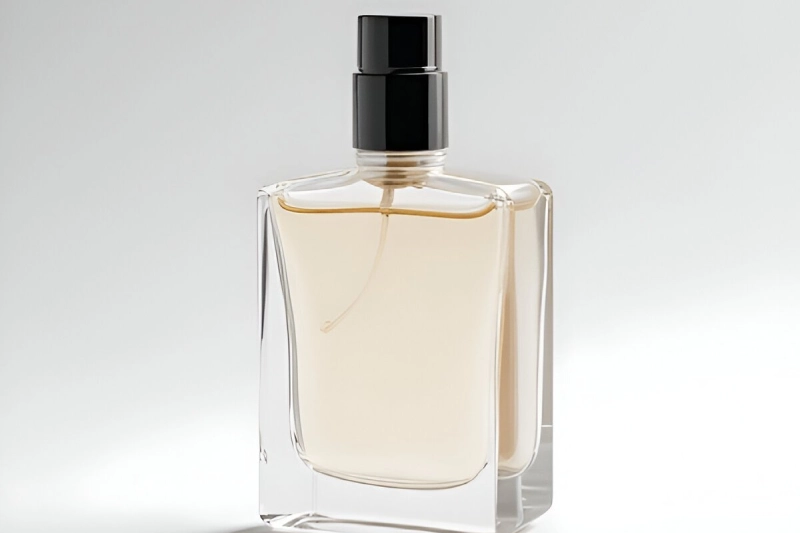
For centuries, sandalwood has been cherished for its warm, creamy, and woody aroma, making it one of the most sought-after ingredients in perfumery. Used in both luxury fragrances and niche creations, sandalwood’s versatility and longevity make it the perfect base note.
From its sacred roots in ancient rituals to its status as a modern fragrance staple, sandalwood continues to captivate perfumers and fragrance lovers alike.
The Origins of Sandalwood in Perfumery
What Is Sandalwood and Where Does It Come From?
Sandalwood is an aromatic hardwood that comes from the Santalum species of trees. The most prized variety, Indian sandalwood (Santalum album), is native to India and Sri Lanka and has been used for centuries in perfume, incense, and traditional medicine.
Traditional Uses of Sandalwood in Ancient Cultures
Sandalwood has been highly valued in Hindu, Buddhist, and Middle Eastern traditions, often used in temples, religious ceremonies, and Ayurvedic medicine. Ancient Egyptians even used sandalwood oil in their embalming process.
The Sacred and Spiritual Significance of Sandalwood
Beyond perfumery, sandalwood is used in meditation and prayer. Its grounding scent is believed to promote tranquility, mindfulness, and emotional balance.
Why Perfumers Love Sandalwood
Sandalwood as a Base Note: Depth and Longevity
Sandalwood’s creamy, smooth, and rich character makes it an ideal base note inperfumes. It helps other fragrance notes last longer and evolves beautifully on the skin.
The Creamy, Warm, and Woody Scent of Sandalwood
Unlike other woody notes, sandalwood has a velvety, milky warmth that blends effortlessly with floral, spicy, and citrus accords.
How Sandalwood Enhances Other Fragrance Notes
Sandalwood acts as a fixative, meaning it helps stabilize and extend the lifespan of other scents, such as rose, jasmine, vanilla, and musk.
Types of Sandalwood Used in Perfumery
- Indian Sandalwood (Santalum album) – The most prized variety, known for its rich, creamy aroma.
- Australian Sandalwood (Santalum spicatum) – Slightly drier and woodier, commonly used as a sustainable alternative.
- Hawaiian & New Caledonian Sandalwood – More green and fresh, with a lighter scent profile.
Famous Perfumes Featuring Sandalwood
Timeless Classics with Sandalwood
- Chanel Bois des Îles – A warm, creamy sandalwood masterpiece.
- Guerlain Samsara – A rich blend of jasmine and sandalwood.
- Dior Eau Sauvage – A fresh, citrusy fragrance with a sandalwood base.
Contemporary Fragrances Highlighting Sandalwood
- Le Labo Santal 33 – A cult favorite, blending sandalwood with leather and iris.
- Tom Ford Santal Blush – A sensual, spicy sandalwood scent.
- Diptyque Tam Dao – A warm and elegant sandalwood fragrance.
Unisex and Gender-Neutral Sandalwood Perfumes
Sandalwood’s universal appeal makes it a popular choice for unisex fragrances, balancing woody warmth with soft, creamy undertones.
FAQs
1. What does sandalwood smell like?
A. Sandalwood has a creamy, woody, and slightly sweet aroma, often described as warm, smooth, and sensual.
2. Why is Indian sandalwood so valuable?
A. Indian sandalwood is rare due to deforestation and strict harvesting regulations, making it highly prized and expensive.
4. Is sandalwood perfume only for men?
A. No! Sandalwood is used in both men’s and women’s perfumes, as well as many unisex fragrances.
5. How long does sandalwood last in a fragrance?
A. As a base note, sandalwood can last 8–12 hours or more on the skin, making it one of the most long-lasting fragrance ingredients.
6. Can sandalwood be mixed with floral or citrus scents?
A. Absolutely! Sandalwood pairs beautifully with rose, jasmine, bergamot, and vanilla, creating balanced, luxurious fragrances.
7. Are there vegan alternatives to natural sandalwood?
A. Yes! Many perfumers now use synthetic sandalwood (such as Javanol and Ebanol) to create a sustainable, vegan-friendly alternative.
