

Blog
The Allure of Amber in Perfumery – A Timeless Scent Profile

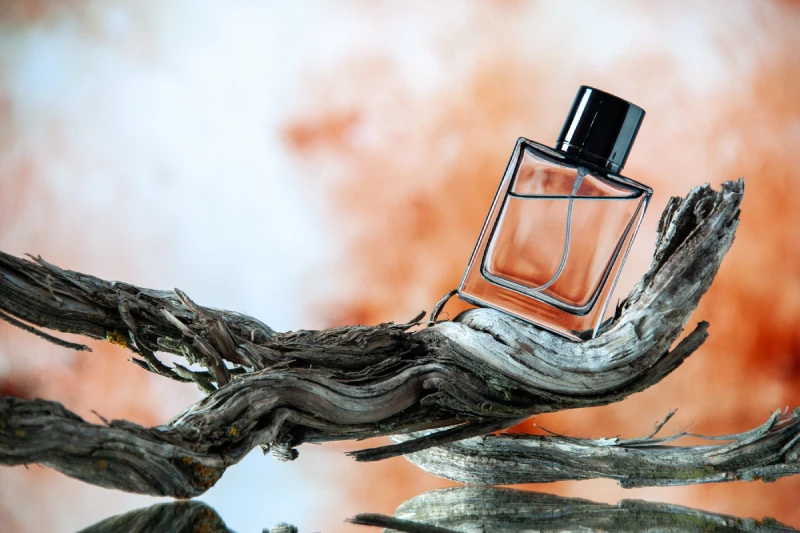
Amber is one of the most intoxicating and sought-after fragrance notes in the world of perfumery. Its warm, sweet, and resinous scent profile evokes feelings of sensuality, comfort, and mystery. Found in some of the most luxurious and best-selling fragrances, amber has captivated perfume lovers for centuries. But what exactly is amber in perfumery? Unlike the fossilized tree resin used in jewelry, amber in fragrances is a complex accord, often a blend of vanilla, labdanum, benzoin, and other rich, warm ingredients.
In this article, we’ll uncover the secret behind amber’s addictive scent, its history, composition, and the best perfumes that showcase its magic.
What is Amber in Perfumery?
Amber in perfumery is not a single ingredient but rather a carefully crafted accord designed to evoke warmth, richness, and depth. It is typically a blend of:
- Labdanum – A resin from rockrose that adds a deep, slightly leathery warmth
- Benzoin – A balsamic resin that smells like vanilla and caramel
- Vanilla – Adds a creamy, sweet touch to the blend
- Styrax & Tolu Balsam – Resinous ingredients that contribute a slightly smoky depth
This combination creates the familiar golden warmth we associate with amber perfumes.
The History of Amber in Fragrance
Amber has a long and fascinating history in the world of perfumery. Its origins trace back to ancient civilizations, where resins like frankincense, myrrh, and labdanum were burned in rituals and used for their intoxicating scent.
During the Renaissance, perfumers began refining these resins into complex compositions, leading to the warm and addictive amber accords we know today. Over time, amber became a staple in oriental fragrances, lending a rich and sensual depth to some of the most iconic perfumes.
The Scent Profile of Amber
Amber is best described as:
- Warm and Sweet – Rich, cozy, and inviting
- Resinous and Balsamic – With hints of smoky, syrupy depth
- Vanillic and Powdery – A soft and creamy dry-down
- Earthy and Woody – Depending on the blend, it can take on a subtle smokiness
This versatility allows amber to be used in a wide range of perfumes, from soft and powdery to dark and mysterious.
Natural vs. Synthetic Amber
Due to the rarity and expense of natural amber-producing ingredients, modern perfumery often relies on synthetic molecules to recreate amber’s warmth.
- Natural Amber Accords – Made from labdanum, benzoin, and vanilla
- Synthetic Ambers – Molecules like Ambroxan and Ambergris substitutes create a clean, musky warmth
Both natural and synthetic ambers have their place in perfumery, each offering unique olfactory experiences.
Famous Amber-Based Perfumes
Amber is featured in some of the most beloved fragrances, including:
- Serge Lutens Ambre Sultan – A deep, spicy, resinous amber
- Dior Ambre Nuit – A refined amber with rose and spices
- Tom Ford Amber Absolute – A bold, smoky amber fragrance
- Prada Amber – A modern take on classic amber accords
- Maison Francis Kurkdjian Grand Soir – A luxurious, warm amber for evening wear
These perfumes highlight amber’s versatility, from sweet and comforting to dark and sultry.
Amber and Its Relationship with Gourmand Notes
Amber pairs exceptionally well with gourmand notes like vanilla, caramel, and tonka bean, creating mouthwatering and cozy fragrances. This makes amber perfumes ideal for those who love warm, edible scents with a seductive edge.
How Amber Evolves on Skin
Amber fragrances are known for their excellent longevity and sillage. Their warm, resinous nature clings to the skin, developing from a rich, balsamic opening to a soft, powdery dry-down over several hours.
How to Choose the Right Amber Fragrance for You
When selecting an amber fragrance, consider:
- Do you prefer a sweet or smoky amber?
- Are you looking for a daytime or evening scent?
- Do you want a classic amber or a modern interpretation?
Sampling different variations can help you find the perfect amber fragrance that suits your personality and style.
